SIPADAN DIVING
Voted Top 10 Dive Destination Globally
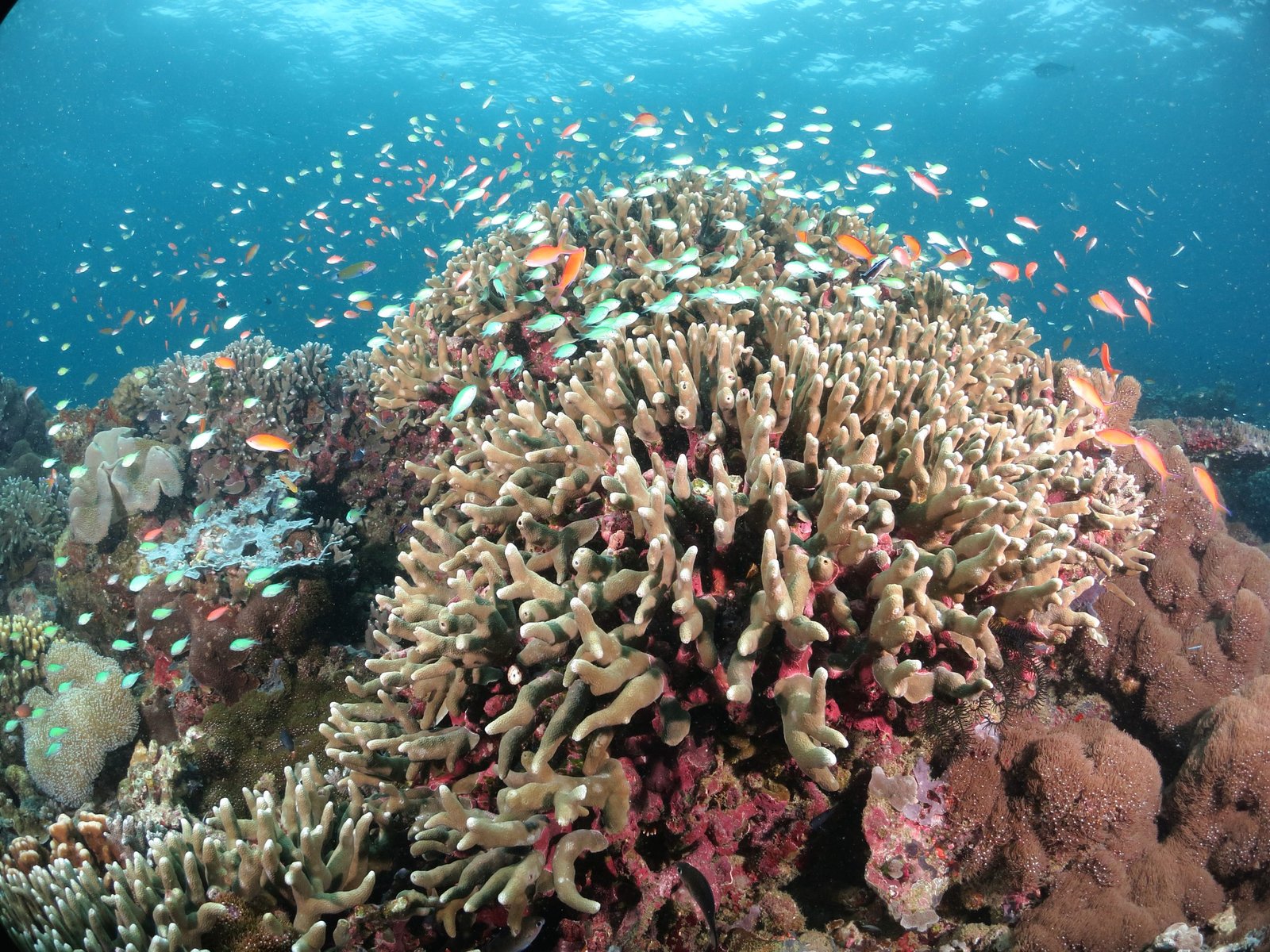
Sipadan diving boasts exceptional marine biodiversity and stunning coral reefs. These formations offer a kaleidoscope of vibrant ocean life. Consequently, this abundant marine variety makes Sipadan diving a bucket-list dream for ocean enthusiasts worldwide.
Sipadan diving is continuously rated as one of the world’s best destinations.
Whether you’re a seasoned diver or a novice, the crystal-clear waters of Sipadan promise an unforgettable experience. Explore a vibrant ecosystem beneath the waves. Encounter the wonders that await beneath the surface of this enchanting paradise!
Steep limestone walls characterize the underwater topography at Sipadan, which plunge dramatically into the depths of the surrounding Celebes Sea. These walls provide excellent diving opportunities, with dive sites featuring vertical drop-offs and underwater caves.
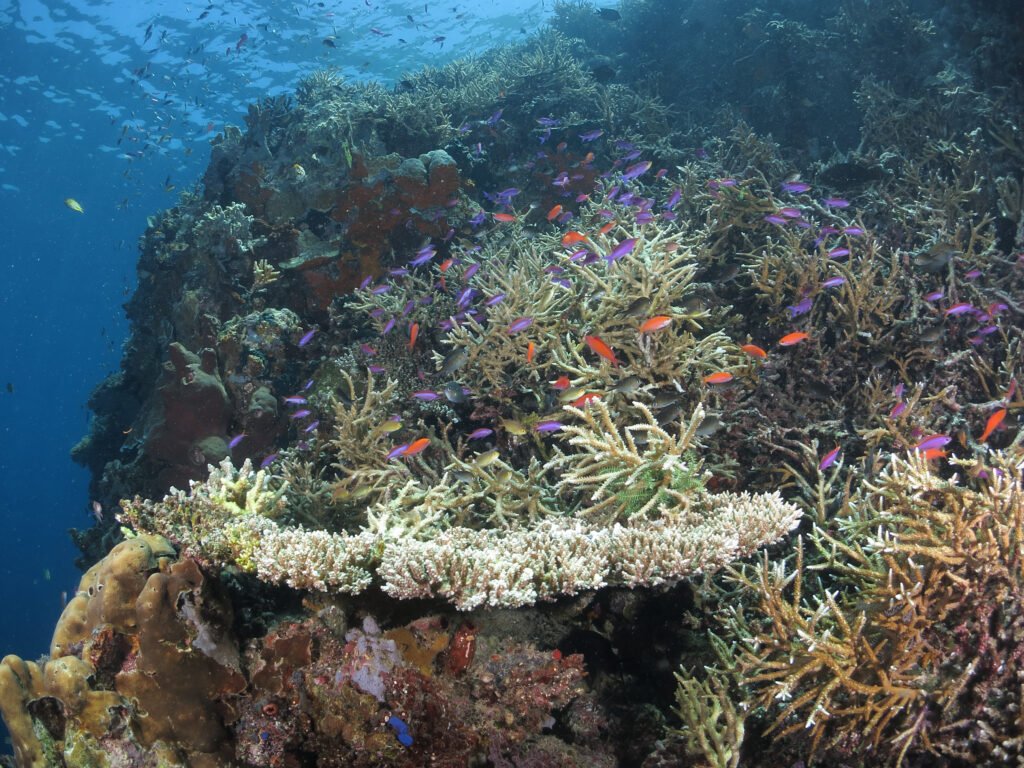
Sipadan Island sits at the heart of the coral triangle. This region is internationally recognized as a global center for marine biodiversity. Pristine coral reefs surround the island that have formed on the submerged slopes of the volcanic crater. Sipadan is no longer volcanic active. However, the region is part of the Pacific Ring of Fire, an area of high tectonic activity. Earthquakes and volcanic eruptions in the vicinity have influenced the island’s geology over millions of years.
HISTORY OF SIPADAN
Volcanic Island
Sipadan is a volcanic Island, a unique geological formation made through volcanic activity millions of years ago. It is situated on top of an extinct undersea volcano that rises steeply from the ocean floor, which is now slowly subsiding into the ocean. Sipadan island is on the edge of an oceanic shelf which reaches an outer depth of over 2,000 meters!
Jacques Cousteau
Local fishermen have known about Sipadan Island for generations. However, it gained international recognition as a diving destination in the 1980s when renowned oceanographer Jacques Cousteau and his team documented its exceptional marine biodiversity. Cousteau’s exploration and subsequent praise of Sipadan helped put the island on the map as a top dive destinations. Sipadan has since been a destination for many film makers, widely featuring it in documentaries such as BBC’s ‘Planet Earth 2’ and Netflix’s ‘Our Ocean’
Sipadan Marine Park
Authorities designated Sipadan as a protected marine park in 2004, restricting daily visitors to minimize environmental impact. Divers must secure Sipadan diving permits to access the island’s dive sites. Sabah marine park brought in tight restrictions to control the number of divers that dive Sipadan. Divers must hold an Advanced Open Water certification or higher. Sabah parks strictly prohibit course training dives at Sipadan.
SIPADAN DIVING SITES
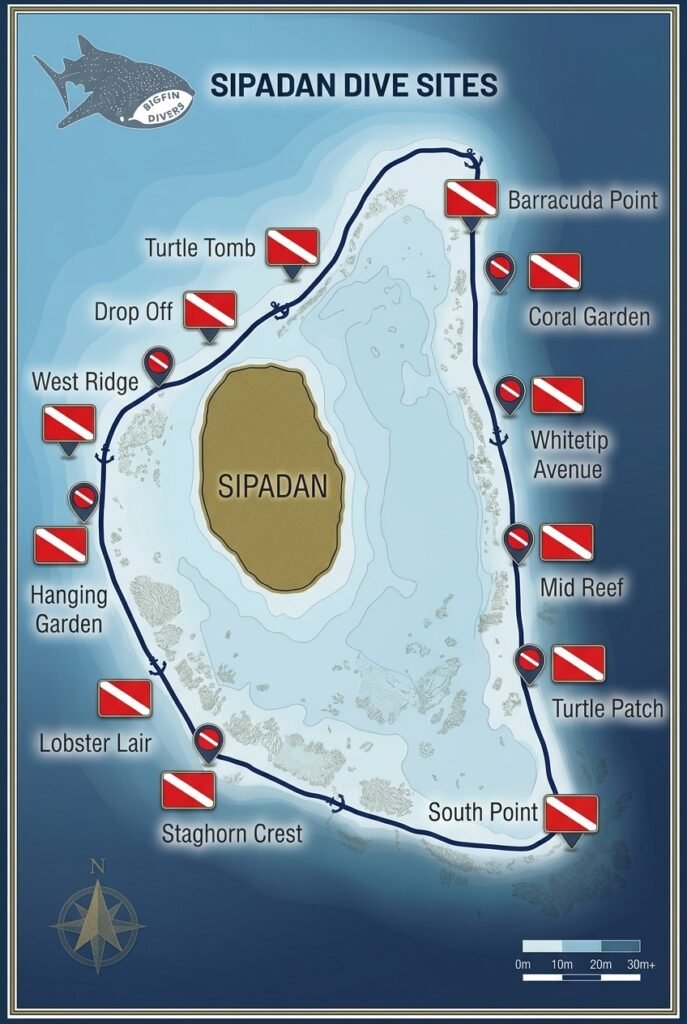
Famous for its rich marine biodiversity, boasting over 3,000 species of fish and hundreds of coral species in its ecosystem. Sites such as Barracuda Point, Turtle Tomb, and South Point are consistently ranked among the best dive spots in the world. The underwater landscapes feature steep walls, coral gardens, and fascinating underwater formations.
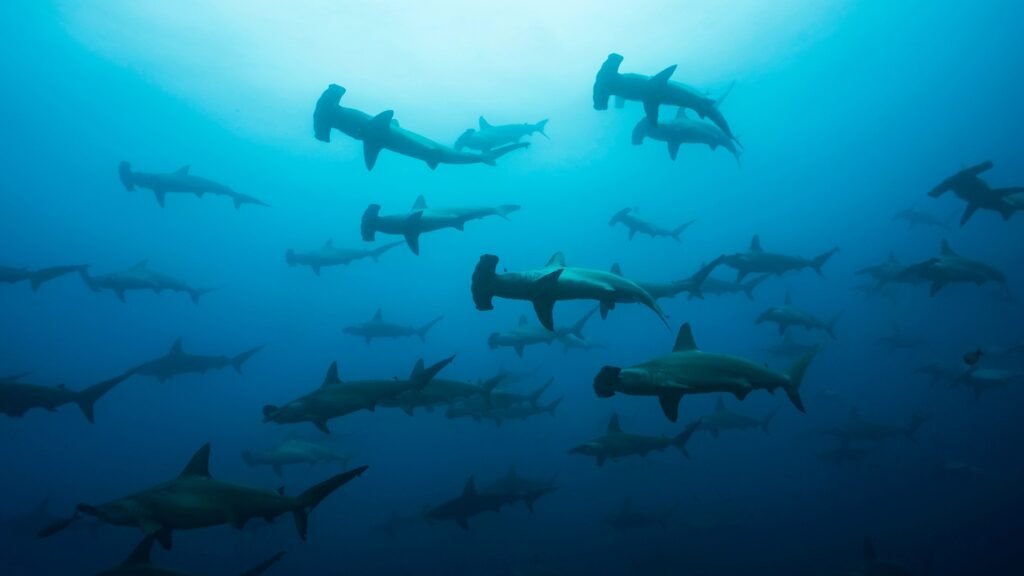
Sipadan diving is famous for Hammerhead sharks, and it is now one of the few remaining places in the world where scuba diving with hammerhead sharks is possible for recreational divers. Hammerhead sharks are usually found off the reef out in the blue, where they school in deeper waters in greater numbers, up the the hundreds!
BARRACUDA POINT, SIPADAN
Barracuda point is a must see site when diving Sipadan, it is a thrilling site that you will remember for life! At barracuda point, divers can encounter a huge tornado of thousands of schooling barracuda. Fortunate divers can even swim right inside the swirling barracuda tornado, surrounded by a wall of ginormous pick-handle barracuda! The resident school of Jackfish is now possibly even larger, and you can watch hunting sharks chasing through the thousands of silver shimmering fish.
SOUTH POINT, SIPADAN
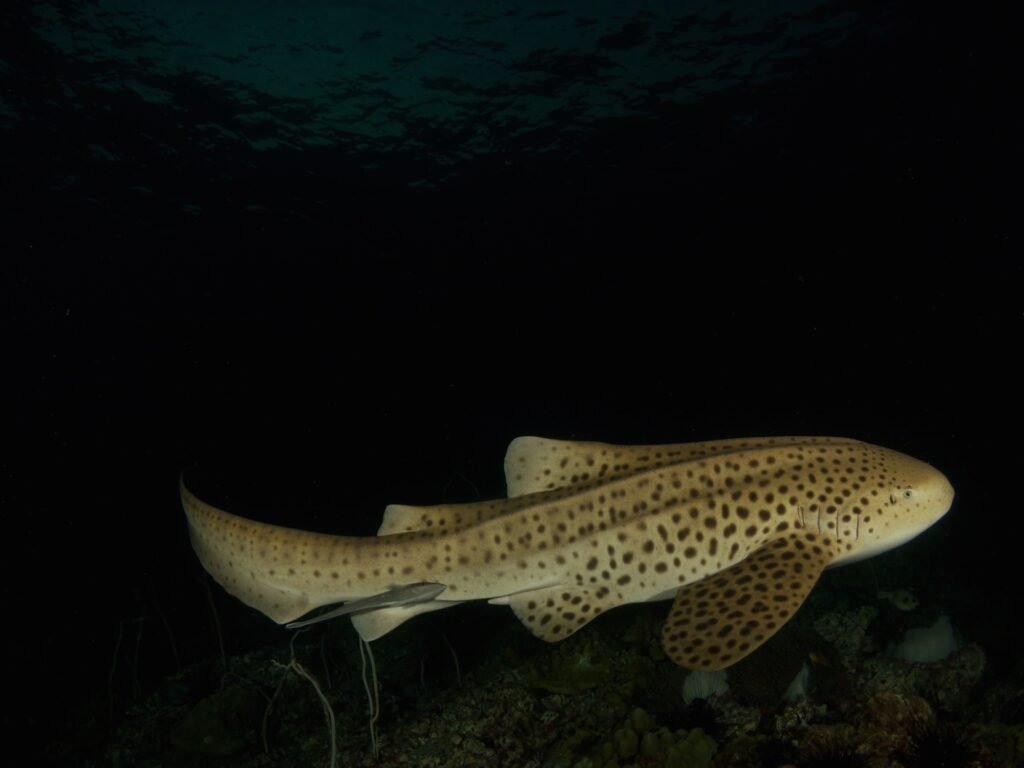
South point is where the shark action is at, as sharks commonly congregate here at the tip of the island where the current splits. Visitors frequently spot white tip sharks and leopard sharks resting on the sandy bottom, while gray reef sharks patrol the reef and dart into the blue. Swim off the wall and into the blue for a chance to see the now critically endangered scalloped hammerhead shark.
MID REEF & TURTLE PATCH, SIPADAN
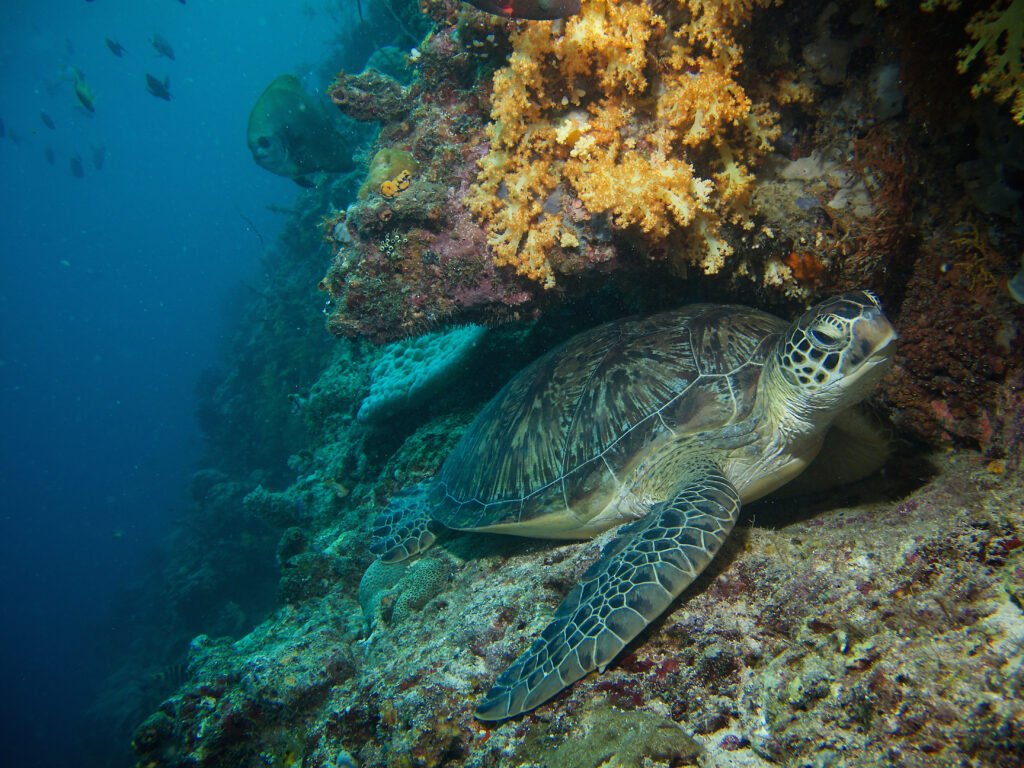
On the east side of the island is a huge area of seagrass habit, ideal for grazing sea turtles! Sipadan Island hosts a turtle hatchery, and thousands of turtles travel far and wide across the globe to frequent this island’s ideal mating and nesting habitat.
Trains of big blue bump head parrotfish cross the shallow top reef to patrol the island, crunching on hard coral and leaving clouds of fish poop behind for trailing silver batfish.
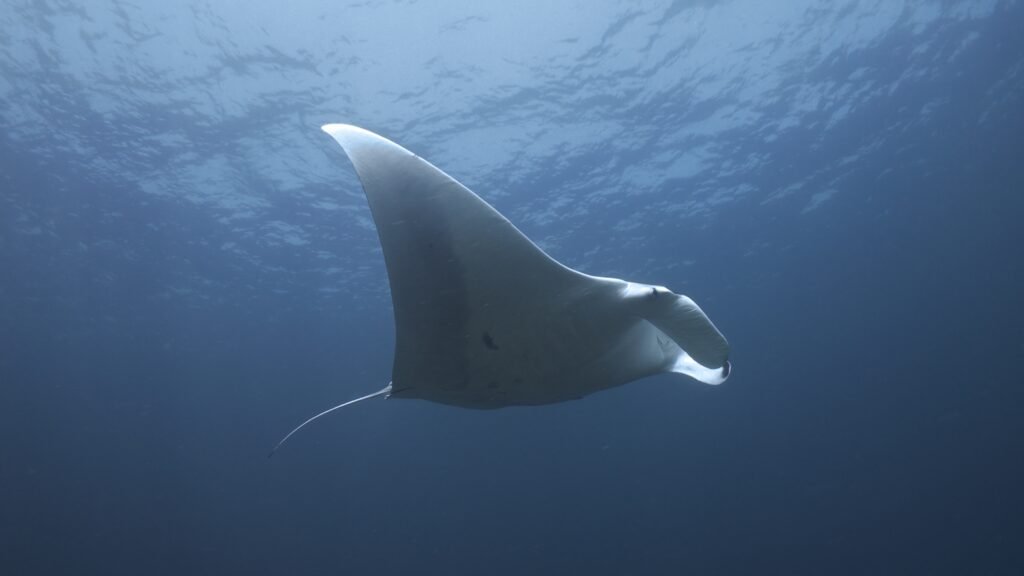
After eating their fill, green and hawksbill turtles snooze on the ledges of the wall. Spotted eagle, devil and even oceanic manta rays may glide past overhead.
DROP OFF & TURTLE TOMB, SIPADAN
At drop off, the dive site closest to the island, the sheer vertical wall plunges to 600 meters straight off the Sipadan Island park jetty. The famous Turtle Tomb lies to the right of the jetty, featuring the dark and eerie entrance to a limestone cave system that stretches right across to the other side of the island. Divers call it Turtle Tomb because it contains the skeletal relics of many turtles that tragically drowned deep inside the cave.
Diving deep into the cave is prohibited by authorities. You may swim through the large entrance to observe turtle remains. Watch light shafts enter the cave as big-eyed soldierfish and midnight snappers circle.
HANGING GARDENS & LOBSTER LAIR, SIPADAN
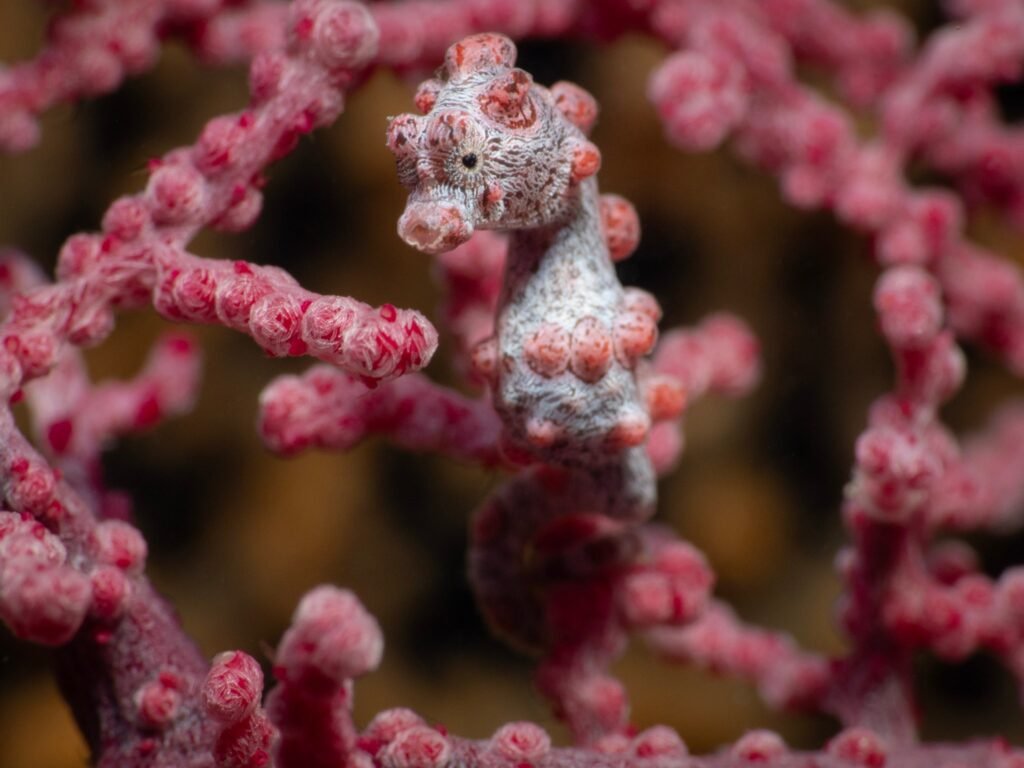
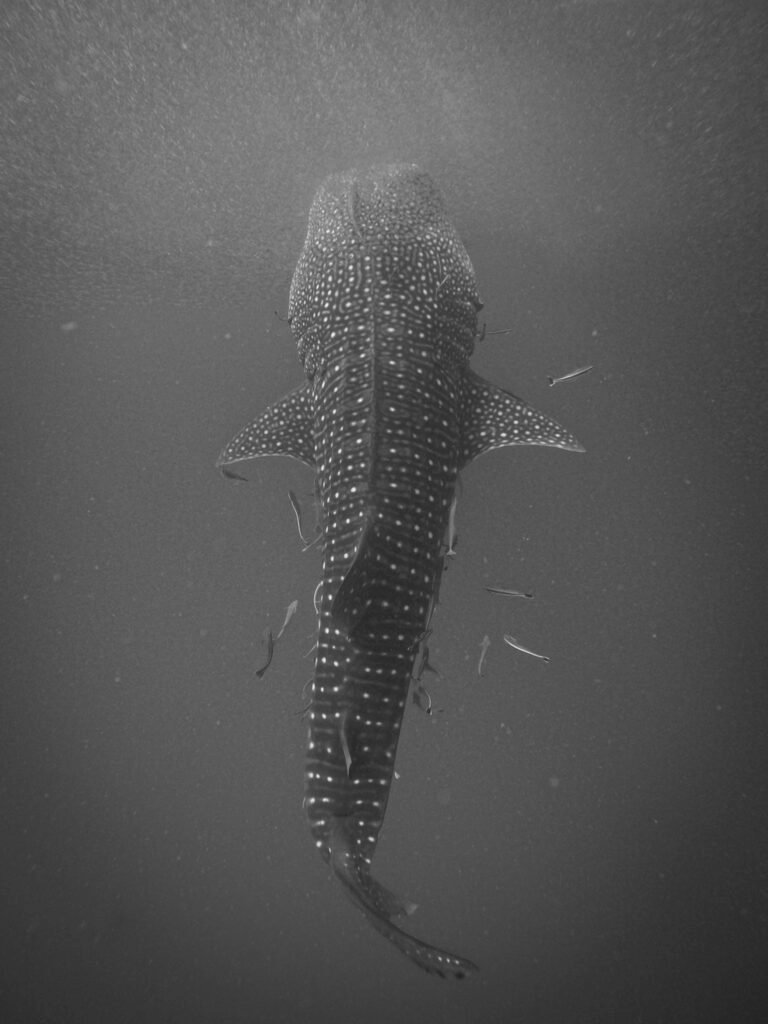
Hanging garden has the most magical wall dive, with huge gorgonian sea fans and rocky shelves dripping with colorful soft coral. Furthermore, diverse shark species hunt along the reef and emerge from the deep blue depths. White tip and gray reef sharks are common, whilst lucky divers encounter leopard sharks, hammerhead sharks, and gigantic whale sharks. If you can bare to draw your eyes away from all the big action, keen-eyed visitors discover tiny colorful nudibranchs. In addition, shrimp and rare pygmy seahorses hide on the wall with giant morays and lobsters lurking in the overhangs. The shallow reef is especially stunning, with breathtakingly beautiful and vibrant coral gardens teeming with life.